First Bite
Neonatal and pediatric endotracheal tube securement device

First Bite
First Bite is a non-adhesive pacifier-endotracheal (breathing) tube securement device for neonates and infants in the neonatal and pediatric intensive care units (NICU and PICU).
The design reduces skin trauma and clinician maintenance while providing enhanced tube securement, reducing oral aversion, and developing feeding reflexes.
Core Problem:
Every year, thousands of critically ill infants arrive in the NICU and PICU unable to breathe on their own, relying on breathing tubes to survive. For these babies, keeping that breathing tube in place is a matter of life or death.
Any tube movement can be catastrophic, whether that be tube migration or unplanned extubation, where the tube dislodges. These events extend hospital stays, increase cost of care, and lead to severe health complications such as hypoxia, cardiac arrest, and even death.

Issues with Current Solutions:
Adhesives:
For the neonatal and infant patient populations there are no endotracheal tube securement methods/devices which are adhesive-free. Adhesives often fail after prolonged use in the humid environment of the NICU/PICU, requiring replacement every 4 to 6 hours, which accounts for 15 to 19% of unplanned extubations and damages fragile baby skin resulting in rashes and skin infection.
Agitated Patients:
Current devices are attached to either the lips or cheeks of patients, through adhesive to skin bonding. This uncomfortable interaction is often made worse by existing holders due to the use of a bar or cross piece which rests just above the mouth of the patient. This piece adds weight and often moves or shakes with patient head movement. All of these combine to create an irritating experience for patients, who in response will grab and pull at the device risking self extubation. In fact, patient agitation is the primary cause of 20% of unplanned extubations, with some studies reporting rates as high as 40%.
Impede Development:
Intubation affects patients’ lives during and after hospitalization. The first hours and days of life are used for developing latching reflexes and safe swallowing. However, intubated patients lose this opportunity, and the life-saving intubation equipment actively hinders their learning. For each day of intubation, a patient’s risk of developing oral aversion rises by 10%. Oral aversion is a condition where patients refuse or resist objects being placed in their mouths due to discomfort or trauma associated with the sensation. In neonates and infants, this adds stress to already exhausted parents as their child may refuse to eat or choke when attempting to swallow, resulting in additional clinical intervention through feeding facilities and/or lactation consultants. Another concern is that whatever the child is able to swallow may not be going into their stomach. Swallowing is a use it or lose it skill, and intubated patients risk losing the ability to direct food/liquids between their airways and stomach. This can lead to choking, respiratory infections, and even reintubation, restarting the cycle.
Our device
FDA Class I Medical Device, 501k Exempt
- Product Code: CBH
- Regulation Code: 868.5770
General parameters
- Sizing: 2mm – 5.5mm ID ET Tube
- Medical-grade silicone pacifier
- Cotton dual-plane strap

Key Features!
- > 163% securement over competitors
- Non-adhesive
- Low maintenance (lasts 3-4 days)
- Minimizes oral aversion
- < 30 second installation
- Holds multiple tubes
End users
- Respiratory Therapists: These individuals are responsible for installing our device once the patient is intubated and aid in managing the endotracheal tube throughout the intubation period. Our goal is to create a device that they can quickly install, adjust, and rely upon to safely secure the tube.
- Nurses: These individuals perform day-to-day care to patients, as a result, they constantly interact with both the endotracheal tube and our device. Our goal is to create a device that doesn’t interfere with their workflow and reduces unnecessary interaction.
- Physicians: These individuals intubate patients and supervise the clinical care team. Our goal is to create a reliable device that minimizes complications for them.
- Parents: These individuals bear both the emotional and financial burden of intubation of their children. Our goal is to minimize stress and strain by making a non-threatening device that remains secure, allowing parents to handle and hold their children.
- Neonates and Infants: These individuals will wear and directly interact with the device at all times. Our goal is to prioritize their comfort, safety, and development through the use of a pacifier design and non-adhesive securement.
Average Added Extubation Costs
PICU
- $64,618 → $101,310,
Increase of $36,692
- 10 Days → 16.5 Days,
Increase of 6.5 Days
NICU
- Increase of $49,587
- Increase of 6 Days
Hospital Liability:
Lives are at stake, and that introduces liability. Hospitals are responsible for protecting their patients and adhering to accepted medical standards of care. Unplanned extubation has been deemed by healthcare professionals, patient safety organizations, and legal experts as a preventable adverse event. As a result, hospitals are often liable for extubation procedures, injuries, and deaths.
Nationally, the target rate for extubation in both the NICU and PICU is <1 per 100 ventilator days, however often the actual rate is far higher, ranging from 0.2 to 6.6 per 100 ventilator days based on region, level of care, and facility. Although the majority of extubation-related lawsuits remain confidential, a study by Warren Alpert Medical School of Brown University in 2019 found that within patients 0 to 3 years of age, hospitals awarded an average of $7.6 million to families and patients who experienced an unplanned extubation.
Additionally, 72% of cases resulted in hospitals awarding money to patients and families. The monetary awarded goes toward providing lifelong care for the affected patients, many of whom are left with permanent organ damage due to hypoxia.
Our Team!

Our team is composed of five, fourth-year biomedical engineering undergraduate students at UC Davis, each possessing unique backgrounds that have prepared them for medical device development. The First Bite project began in October of 2025 as a part of our year-long senior capstone project. However as we progressed with our research, prototyping, and general development, we recognized the potential of our work. We founded First Bite with the intention of creating a medical device built from the ground up in collaboration with clinicians and engineers in order to protect patients.

Camilla Lindh
- Medical device development internships (Fogarty Innovation and Adona Medical)
- Experience with poster and pitch competitions (Big Bang finalist and Little Bang winner (2023))
- Wet Lab Researcher (George Laboratory at UC Davis)
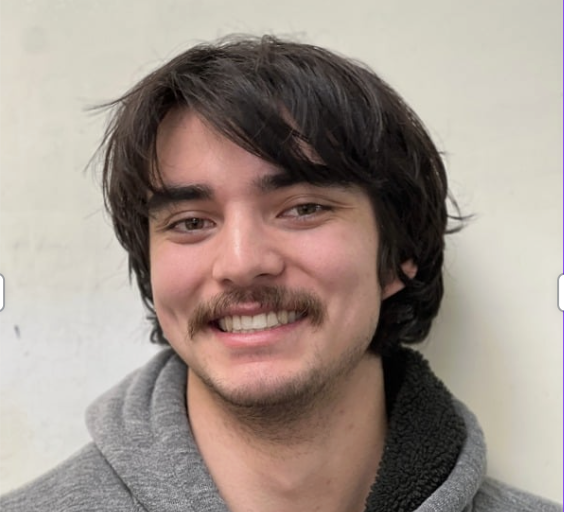
Phineas Tucker
- Clinical Shadowing (Palo Alto Medical Foundation)
- 7+ years of multi-industry fabrication
- Genetics and Immunology Lab Researcher (Zhou Laboratory at UC Davis)

Lakshmi Penumasta
- Certified dental assistant
- Experience as Medical Imaging Project Intern (IISc Medical Imaging Group)
- Co-president of B Hours (Engineering Club at UC Davis)
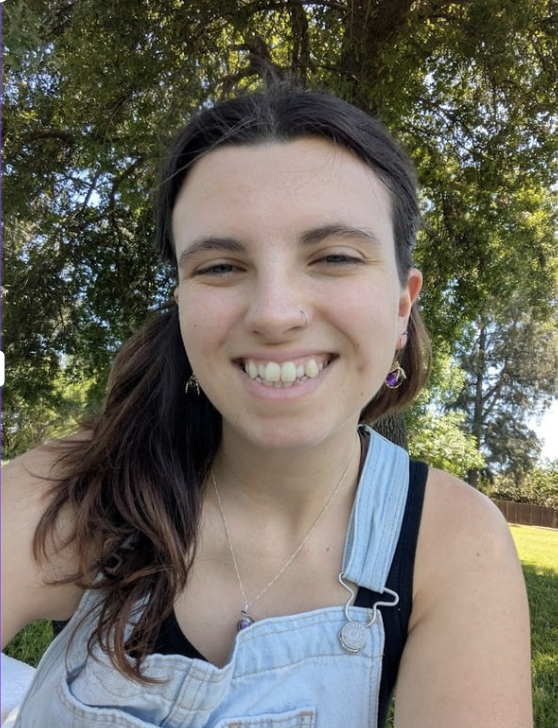
Rachel Amstutz
- Solidworks experience + CSWA certification
- Experience as a Kinematic Knee Replacement Research Intern
- 10+ years of textile arts experience

David Melnichuk
- ProneVR (Start Up) Hardware Team Lead
- Full Body PET Research Assistant (EXPLORER Laboratory in Sacramento)
- In-Home Supportive Service Full-Time Provider
Team Accomplishments
- PLASMA 2026 Health Cohort
- Kings Capitalize: Next Gen (2026), Top 4
- UCD Little Bang (2026), Top 8 Winner
- NSF I-corps 2026 Cohort
- Startup Prize: Focus on Health (2026)
Our Board
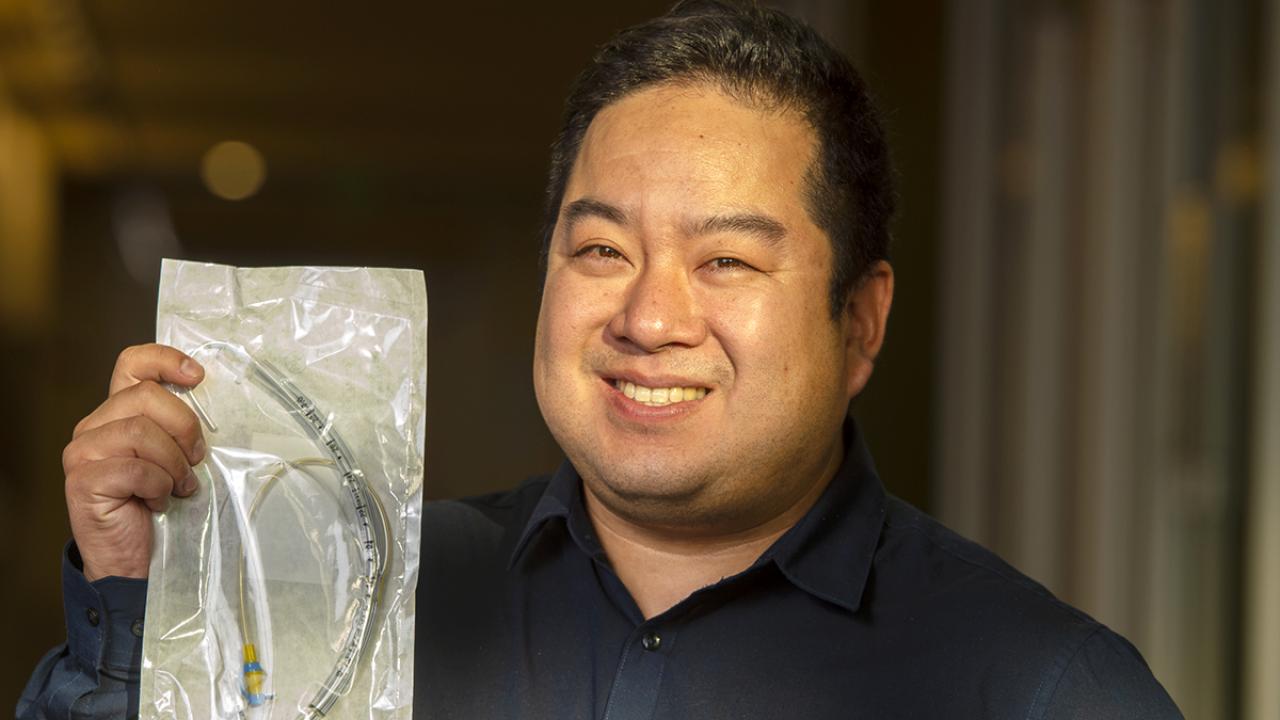
Dr. Benjamin Wang (MD)
- University of Miami Miller School of Medicine Alumni
- Founder of NeVap Inc.
- Partnerships with Concordance Healthcare Solutions, Nationwide Children’s, Southmedic, Bellavista Medical, and Mediscience Planning Inc.
- 15+ years of experience in the medical airway device space

Dr. Stephanie Mateev (MD, Pediatric Critical Care)
- University of Virginia School of Medicine Alumni
- Pediatrics Residency at Northwestern University/Children’s Memorial Hospital
- Pediatric Critical Care Fellowship at University of Colorado/The Children’s Hospital of Colorado
- Medical Director for UCD Health PICU and PCICU
- Medical Director of Extra-Corporeal Life Support Program
- UCD Health Sciences Clinical Professor
- 24+ years of clinical experience within PICU

Evans Wuu (P.E, CQE)
- Diverse quality engineering background formerly specialized in Product Development/Design Assurance, Operations, and Supply Chain/Supplier Quality
- Additional work within Product Development (Design Control and Reliability Engineering), Packaging Validations, Process Validation (IQ/OQ/ PQ and Test Method Validation), Supplier Quality, Risk management, Usability Engineering, and Standards Compliance
- 36+ years of experience in medical device development
- 16+ years of experience in a medical device start-up

Dr. Ian Julie (MD, Emergency Medicine, MAS)
- Washington University School of Medicine Alumni
- Emergency Medicine Residency at SUNY Downstate/Kings County Hospital
- Medical Simulation Fellowship at UC Davis Medical Center
- UCD Department of Emergency Medicine Professor
- Medical Director for UCD Health Center for Simulation and Education Enhancement
- 11+ years of experience in medical simulation
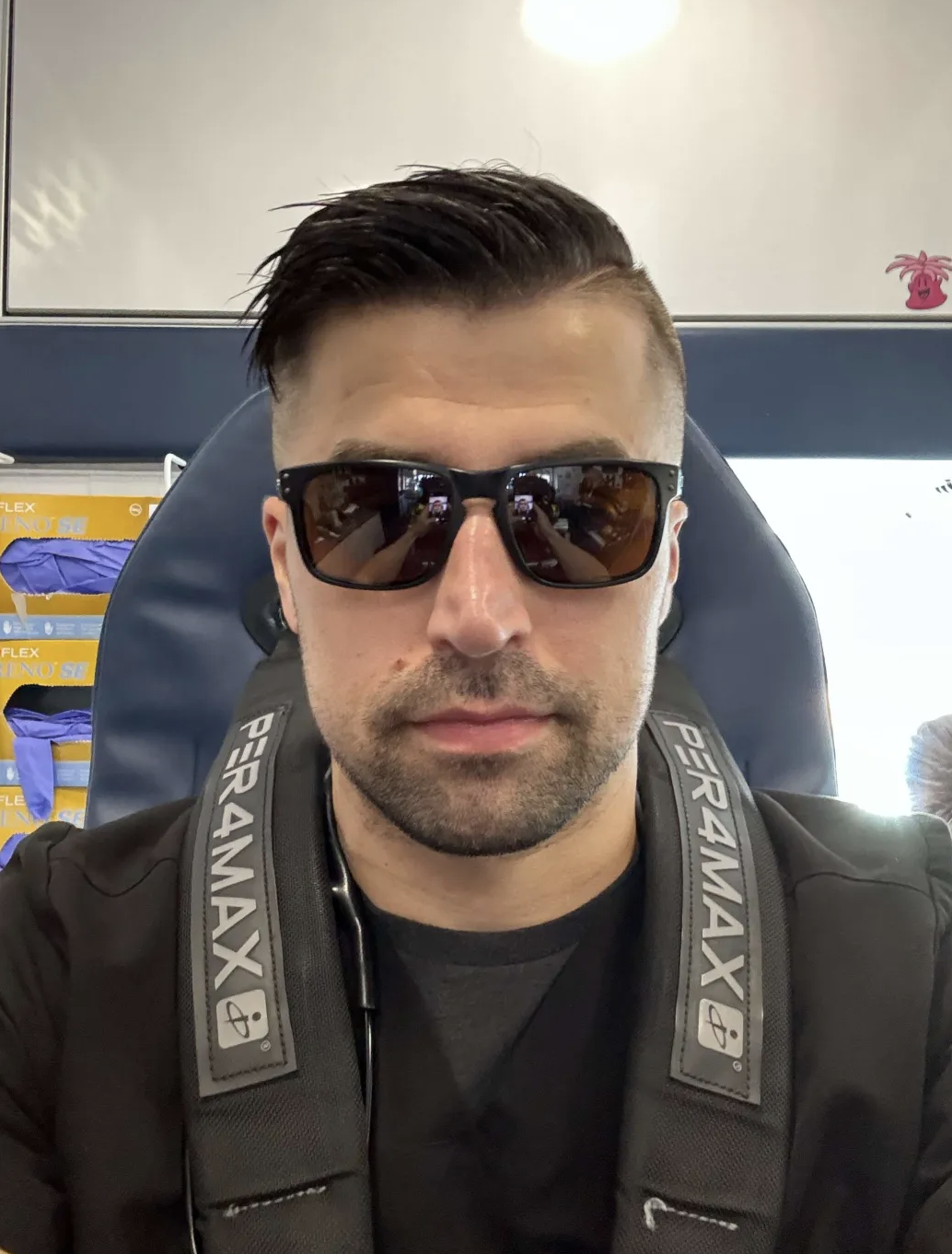
Mickle Avetisov (RRT-NPS, BSRT)

Caroline Jennings
- Regulatory and Quality Specialist
- 3+ years of experience within the FDA medical regulation space
- Background in customer marketing and research
What Your Investment Means
Whether time, information, or money, any investment toward this project goes a long way to helping us achieve our goals. We thank you for taking the time to explore our website and encourage you to reach out with more information. Our team is constantly working to establish contacts, develop new prototypes, and reach funding milestones. Below describes some of the ways your contribution can help our team moving forward.
- Providing Funding:
- Develop a Fully Medical Grade Prototype
- Create Manufacturing Injection Molds
- Invest in Improved Verification and Validation Tools
- FDA Registration and Regulation Fees
- Providing Information:
- Improves Our Understanding of Problem
- Highlights New Perspectives
- Providing Connections:
- Identify Champion Hospitals and Physicians
- Receive Additional Feedback to Improve the Product
- Providing Promotion:
- Helps Raise Awareness and Builds Support for Our Project
First Bite isn’t the effort of a single individual or team. It’s the culmination of knowledge, support, and feedback of over 90+ industry professionals. From nurses, respiratory therapists, and physicians to medical device engineers, FDA regulatory experts, and capital investors. We’ve worked with local California programs and expanded out of state with connections in Florida, Georgia, Massachusetts, Michigan, Nevada, Ohio, Texas, and Washington. Our team continues to utilize our network’s resources and is actively seeking more individuals to contribute to our mission of protecting life’s first breaths. If you or someone you know is interested in getting in contact with us, please email us at FirstBiteholder@gmail.com.
Have questions? Want to learn more?
Please feel free to contact us by phone or email. Or alternatively fill in the form below, and I will get back to you as soon as we can!
Are you in the medical field or know someone who may be able to help? Please let us know and we can arrange a meeting, any and all support helps!


Contact Network